Why Use LandFlight to The Lindis – Arrive in Central Otago Without the Stress
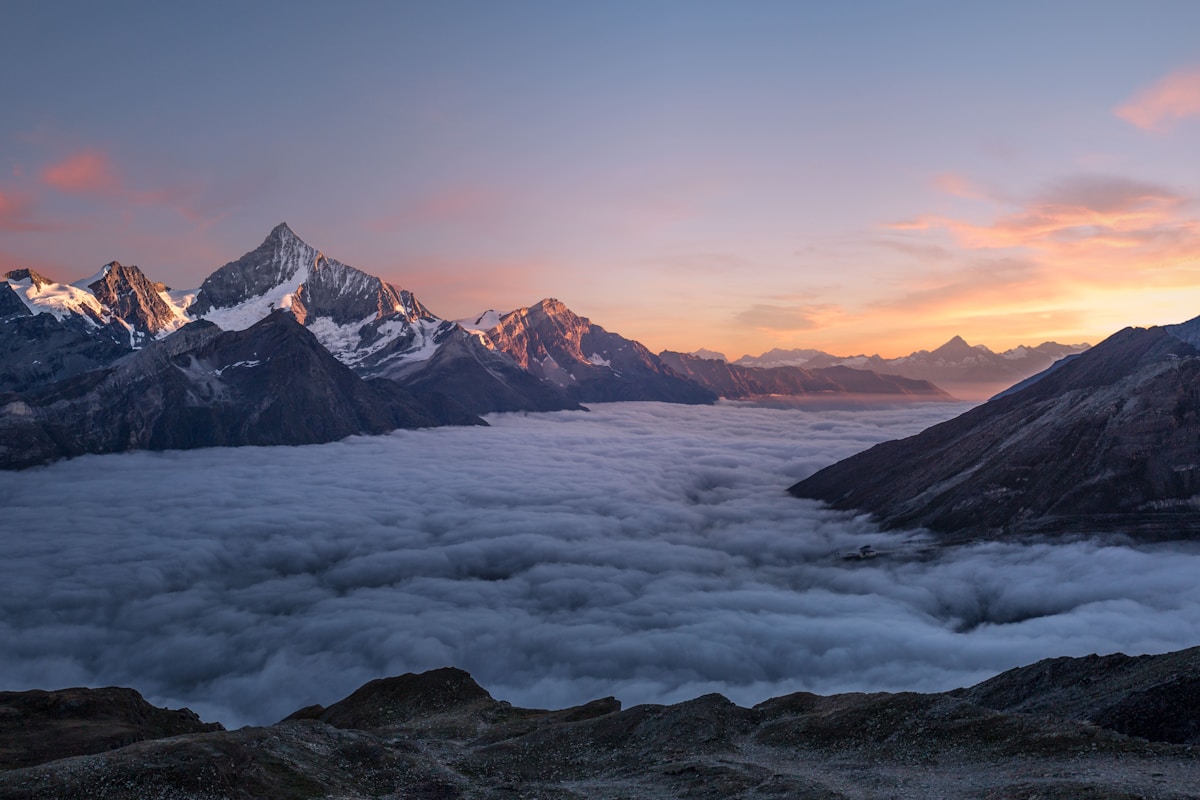
The Lindis sits deep in the Ahuriri Valley, one of Central Otago's most remote and beautiful corners. Getting there is part of the experience — but only if someone else is doing the driving.
Why Use LandFlight to The Lindis – Arrive in Central Otago Without the Stress
There's a particular kind of exhaustion that comes with driving the Lindis Pass yourself. Not the good tiredness of physical exertion or a full day outdoors, but the grinding mental fatigue of navigating an unfamiliar high-country road — watching the gradients, managing the corners, eyeing the weather — while trying to absorb a landscape that genuinely deserves your undivided attention.
The Lindis Pass climbs to 971 metres above sea level through the Dunstan Mountains. It's one of New Zealand's classic alpine road crossings, linking the Waitaki Valley to the north with the Cromwell Basin to the south. In good conditions it's a rewarding drive. In deteriorating conditions — summer thunderstorm, early autumn frost, the occasional winter snowfall that the pass doesn't advertise in advance — it demands everything a driver has, leaving nothing for the experience itself.
This is the case for LandFlight's private transfer to The Lindis. Not that the drive isn't worth doing. It absolutely is. But it's worth doing as a passenger, not as the person responsible for it.
What The Lindis Is, and Why It Matters
The Lindis – Ahuriri Valley Lodge is one of those properties that earns its reputation quietly. It doesn't appear on every international luxury travel list. It doesn't market itself aggressively. It simply exists in its valley, in a landscape of tussock and schist and enormous sky, offering accommodation that is genuinely exceptional by any standard you care to apply.
The Ahuriri River runs through the valley floor. The surrounding terrain is high-country sheep station country — the kind of New Zealand that international visitors often don't reach because it requires either a willingness to drive remote roads or the sense to arrange private transport. The lodge offers fly fishing, heli-experiences, guided walks, and the particular luxury of genuine remoteness: no road noise, no light pollution, no ambient human hum.
Ariving here stressed, slightly lost, having navigated the Lindis Pass through conditions that weren't quite what the forecast suggested — that's a real possibility if you're driving yourself. Arriving calm, rested, having watched the pass unfold through the window while your driver handled everything — that's what LandFlight makes available.
The Route from Queenstown
Queenstown is the most common departure point for The Lindis transfers, and it's a departure that quickly establishes the quality of the journey ahead.
The road north from Queenstown runs through the Kawarau Gorge — a canyon carved by the Kawarau River where a significant bungee jump operation has set up shop because the bridge over the gorge offers the appropriate combination of height and drama. Past Cromwell, the route follows Lake Dunstan before turning north toward the Lindis. The landscape shifts register here, from the compressed drama of the Queenstown basin to something older and quieter — the tawny tussock and grey schist of Central Otago's high country, which has a grandeur that operates at a different frequency from the lake-and-mountain showiness of the Southern Lakes.
From Queenstown, the full transfer to The Lindis takes approximately two to two and a half hours. In a LandFlight vehicle — leather seats, climate control calibrated to comfort, no road noise leaking through inadequate door seals — those two hours are restorative rather than demanding.
The Route from Cromwell
For guests arriving via Queenstown Airport and choosing to connect directly without going through the town itself, the Cromwell departure offers a slightly shorter route — approximately ninety minutes, running north directly through the Cromwell Basin and up into the Lindis Valley.
Cromwell's fruit heritage is visible along this route — the roadside stalls that sell Central Otago's cherries, apricots, peaches, and nectarines in season are a legitimate distraction that a driver navigating the pass themselves can't really afford. A LandFlight passenger can absolutely ask the driver to pull over.
Convenience That Goes Beyond the Car
The logistical consideration that most guests to remote luxury properties in New Zealand underestimate: what happens with luggage?
The Lindis is not an easy self-drive destination for guests with significant luggage. The final approach road, while manageable, rewards vehicles that are designed for varied terrain. A passenger car laden with suitcases and ski equipment approaching the pass in wet conditions is a specific kind of stressful. LandFlight's vehicles are equipped and driven for exactly this kind of transfer — luggage is managed efficiently, the approach is handled professionally, and you step out at the lodge without having spent forty minutes anxious about whether the car is going to make it.
There's also the return consideration. After several days at The Lindis — fly fishing on the Ahuriri, mornings wrapped in the silence of the valley, evenings with Central Otago pinot noir that the region's wine industry is rightfully proud of — the last thing you want is to drive yourself back out. The transition from lodge to airport is one of the genuinely jarring moments of a luxury property stay, and LandFlight manages it with enough comfort that the transition, while still real, is at least handled elegantly.
Central Otago's Roads Are Beautiful — and Demanding
Central Otago has some of the most scenic roads in New Zealand. The Crown Range Road from Queenstown to Wanaka. The Cardrona Valley. The Lindis Pass itself. These are roads that touring companies run as experiences in their own right, because the landscapes they traverse are legitimately extraordinary.
They are also, without exception, roads that require attention. Grades and corners that reward caution. Surfaces that change character with the seasons. Wildlife — merino sheep, occasionally, and the hawks that hunt the tussock — that can appear at road edge without warning.
None of this is a deterrent to visiting Central Otago. It's simply an argument for having a professional behind the wheel while you absorb what these roads pass through. The experience of the Lindis Pass is categorically different when you're not responsible for it.
The Premium Vehicle Difference
LandFlight doesn't operate budget vehicles. The fleet is premium — Mercedes-Benz, BMW, luxury SUVs — and the maintenance standard is high. On a two-hour transfer through mountain terrain, the quality of the vehicle is not a cosmetic consideration. It's the difference between arriving refreshed and arriving stiff.
The ride quality of a premium SUV on the Lindis Pass compared to a rental hatchback or a mid-range people-carrier is significant and measurable in how you feel when you step out at the lodge. The suspension absorbs what the road delivers. The seats support a posture that doesn't require physiotherapy to recover from. The sound system, if you want it, creates an environment; if you don't want it, the interior quiet is sufficient for sleep or undisturbed thought.
Book Before You Leave for New Zealand
The practical advice here is simple: don't treat the transfer as an afterthought. The Lindis's remote location means that last-minute alternatives to a booked private transfer are limited. Rental car availability in Cromwell is not unlimited. Taxis don't operate this route reliably.
Book LandFlight as part of the same planning process that secures your lodge reservation. Confirm the pickup point, the timing, and any specific requirements — luggage volume, travel with pets, stops along the route — well in advance. The transfer is the beginning and the end of your Lindis experience. It deserves the same attention as the nights themselves.
About the Author

Priya Sharma
Luxury Travel Writer & Transfer Consultant
Priya writes about New Zealand's luxury travel landscape from Auckland, where she's spent a decade connecting international visitors with the country's premium experiences. Her background in hospitality strategy informs her practical approach to high-end logistics.