How to Get to The Lindis: Access Routes to New Zealand's Most Remote Luxury Lodge
The Lindis Lodge sits 90 minutes from Queenstown on the Tarras-Omarama Road. Four access routes compared: drive times, road conditions, transfer options.
The Lindis sits at the end of 12 kilometres of unsealed road in the Ahuriri Valley, deliberately remote, architecturally stunning, and entirely dependent on guests solving a logistics question most don't consider until after they've booked: how do I actually get there?
The lodge coordinates are clear enough—Tarras-Omarama Road, halfway between Queenstown and Omarama—but the reality involves choosing between four distinct access routes, each with different road conditions, drive times, and vehicle requirements. This isn't Matakauri or Blanket Bay with their sealed driveways 20 minutes from town. The Lindis rewards the journey, but only if you plan the approach properly.
The Four Access Routes to The Lindis
From Queenstown via Cromwell and Tarras is the primary route and what most guests default to. It's 142 kilometres, roughly 90 minutes in good conditions. You take SH6 northeast through the Kawarau Gorge, past the fruit stalls at Cromwell, then continue on SH8 toward Omarama. At Tarras—barely a settlement, just a fuel stop and the excellent Tarras Café—you turn north onto Tarras-Omarama Road.
The sealed portion ends after 18 kilometres. The Lindis driveway turnoff is marked, but subtle. The final 12-kilometre approach is maintained gravel, two-wheel-drive accessible in summer and autumn, but narrow with occasional stock movements and dust from farm vehicles. In winter, black ice forms in the shaded sections before 10am. Rental car insurance language around unsealed roads becomes relevant here.
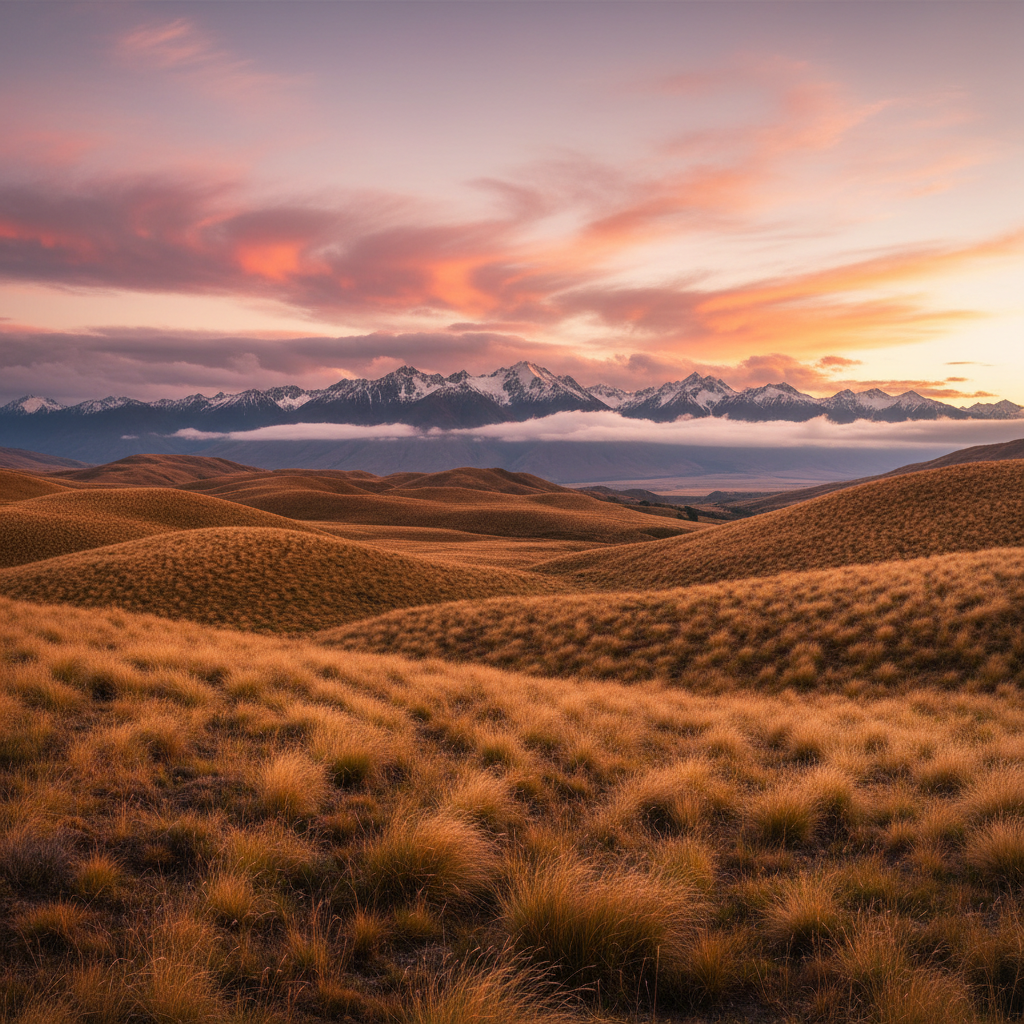
From Wanaka via Lindis Pass is 15 kilometres shorter but involves SH8 over the Lindis Pass summit at 971 metres. It's 127 kilometres, about 100 minutes, and scenically superior—the tussock country north of the pass is precisely what The Lindis architecture frames. You follow SH6 from Wanaka to the Lindis Pass junction, climb through the braided landscape, then descend to meet Tarras-Omarama Road from the opposite direction.
The complication is winter. The pass gets snow and closes periodically between June and September. NZTA updates are reliable, but if you've timed arrival for late afternoon in July and the pass shuts at 2pm, your alternate route adds 90 minutes via Cromwell. The gravel approach from this direction is identical.
From Christchurch via the Mackenzie Basin is the long haul: 346 kilometres, four and a half hours minimum, but it's the route that makes geographic sense if you're combining The Lindis with Aoraki/Mt Cook or Lake Tekapo lodges. You take SH1 south to the Rangitata River, turn inland on SH79 through Geraldine, cross Burkes Pass into the Mackenzie, then run south on SH8 through Twizel and Omarama before reaching Tarras-Omarama Road from the north.
It's entirely sealed until that final gravel stretch, but it's a full day's commitment with limited fuel stops after Fairlie. The Christchurch to Queenstown drives that include a Lindis stopover work better as professional transfers—driver fatigue on empty high-country roads is underestimated.
From Queenstown Airport direct is what most international guests attempt. It's possible, but worth examining honestly. The airport rental desks are 97 kilometres from the Lindis driveway—about 75 minutes if you don't stop. After a long-haul flight, collecting a vehicle, navigating Frankton roundabouts, then driving an hour and a half on the left side of unfamiliar highways to find an unmarked gravel turnoff in fading light is optimistic scheduling.
The alternative—a private transfer from Queenstown Airport—removes the variables. Driver meets you at arrivals, vehicle seated and road-ready, and you arrive at the lodge without the rental paperwork or the gravel-road risk transfer conversation.
Rental Car Realities for Remote Lodge Access
The Lindis provides clear guidance: they recommend 4WD in winter, note that the access road is maintained but unsealed, and suggest guests confirm their rental insurance covers gravel roads. That last point is where complexity hides.
Most New Zealand rental agreements include a clause limiting coverage on unsealed roads, or they define "unsealed" narrowly to exclude privately maintained access roads. A windscreen crack from flying gravel on Tarras-Omarama Road may or may not be covered depending on how the desk agent interpreted your excess reduction selection. The financial risk isn't catastrophic, but it's real—typically $2,000 to $3,500 excess on a standard agreement.
The practical issue is vehicle selection. A Toyota Corolla will physically reach The Lindis in summer. A Hyundai Kona manages the gravel. But winter arrival or departure, especially May through September, calls for a Highlander or Outlander at minimum—which means airport rental costs from $180 per day versus $65 for the hatchback you originally budgeted.
If your itinerary is Queenstown-Lindis-Queenstown, a two-day rental purely for lodge access starts looking less efficient than a return transfer. If you're touring—Lindis to Aoraki, then Christchurch—the rental makes sense, provided you've factored gravel-capable vehicles and the insurance implications.
The Transfer Option: When Door-to-Door Works Better
For guests flying into Queenstown for a Lindis stay before continuing to Fiordland or flying out, the maths shifts. A private transfer from Queenstown Airport to The Lindis runs approximately $550–650 for up to four passengers. The return leg to Queenstown town (if you're staying at Matakauri or Eichardt's afterward) adds similar.
Compare that to two days' 4WD rental at $180/day ($360), fuel for 284 kilometres return ($45), insurance excess risk, and the attention cost of navigating unfamiliar gravel roads after international travel. The price gap narrows to $150–250, which buys you collected-from-arrivals service and a driver who knows where the Lindis turnoff is without the GPS uncertainty.
The return-leg angle matters more. If you're departing The Lindis for Queenstown to Wanaka onward travel, a morning transfer gets you to your next lodge by mid-afternoon with zero vehicle logistics. If you've rented, you're either backtracking to return the car in Queenstown or paying relocation fees to drop in Wanaka—assuming the rental company allows Wanaka drop-offs, which smaller operators don't.
Seasonal Timing and Road Conditions
The Lindis is year-round, but access conditions aren't. November through April is straightforward: the gravel road is dry, visibility is long, and any two-wheel-drive rental manages it comfortably. Dust is the only consideration—leave following distance.
May through October introduces variables. The Tarras-Omarama Road doesn't get heavy snow—it's too low and too exposed—but frost creates corrugations, and early-morning ice persists in cuttings until the sun reaches them around 11am. The Lindis Pass route from Wanaka closes for snow maybe six days per winter, but when it does, it's without much notice.
July and August arrivals should assume 4WD and plan the Cromwell route as default, keeping the Wanaka option conditional on that morning's road report. The lodge provides current access updates if you call ahead, and they're realistic about conditions—they'd rather delay your arrival three hours than recover a sedan from a ditch.
What The Lindis Itself Recommends
The lodge's own guest information suggests allowing 90 minutes from Queenstown, two hours from Wanaka if you're stopping for photographs (and the Lindis Pass lookout is worth 15 minutes), and confirming your rental insurance before leaving the airport. They'll send a precise What3Words location if you ask, which is more reliable than Google Maps for the driveway turnoff.
For winter arrivals, they recommend 4WD. For international guests unfamiliar with gravel roads, they mention transfer options without pushing them. The subtext is: they've seen enough confused guests arrive two hours late after missing the turnoff twice to know that access isn't trivial.
The Lindis delivers one of New Zealand's most compelling architectural experiences in a landscape that justifies the remoteness. Getting there is solvable—it just requires choosing the route and vehicle that match your arrival timing, driving confidence, and tolerance for gravel-road variables. Whether that's a self-drive via Cromwell in a proper 4WD or a private transfer that removes the access question entirely, the lodge itself remains worth the logistics.
About the Author

James Whitfield
Senior Driver & South Island Route Specialist
James has driven every major South Island route for the past twelve years, specialising in alpine access and terrain logistics. He advises on winter transfers and lodge positioning across Canterbury and Otago.