How to Reach Poronui Lodge: The Back-Road Route to Taupo's Most Remote Fly-Fishing Estate
Poronui Lodge sits 90 minutes beyond Taupo on gravel roads. Here's how to actually get there, what the drive involves, and why the access matters.
Poronui Lodge doesn't appear on Google Maps with helpful blue directions. The property sits on 16,000 acres in the Kaimanawa Forest Park, accessed via 45 kilometres of gravel road that branches off State Highway 5 south of Taupo. There's no Uber. The nearest rental car depot is 90 minutes away. And if you're arriving from Auckland, the logistics require more planning than the fishing itself.
This is the access reality for one of New Zealand's premier wilderness fly-fishing estates—and it's worth understanding before you book, because the journey shapes the entire experience.
The Geography: Why Poronui Is Where It Is
Poronui occupies the northern edge of the Kaimanawa Ranges, positioned between Lake Taupo and the Rangitikei headwaters. The location is deliberate. The Mohaka River runs through the property, fed by spring creeks that hold wild rainbow and brown trout in water that rarely sees pressure.
You can't build a lodge like this near a highway. The isolation is the asset—but it creates a 90-minute access corridor from Taupo that involves sealed road, forestry tracks, farm gates, and eventually a private driveway you'd miss if you weren't looking for it.
From Auckland Airport, the drive is 380 kilometres. From Rotorua, 120 kilometres. From Napier, 145 kilometres through the Gentle Annie. None of these routes involve simple highway driving all the way to the door.
The Standard Approach: Taupo Then Gravel
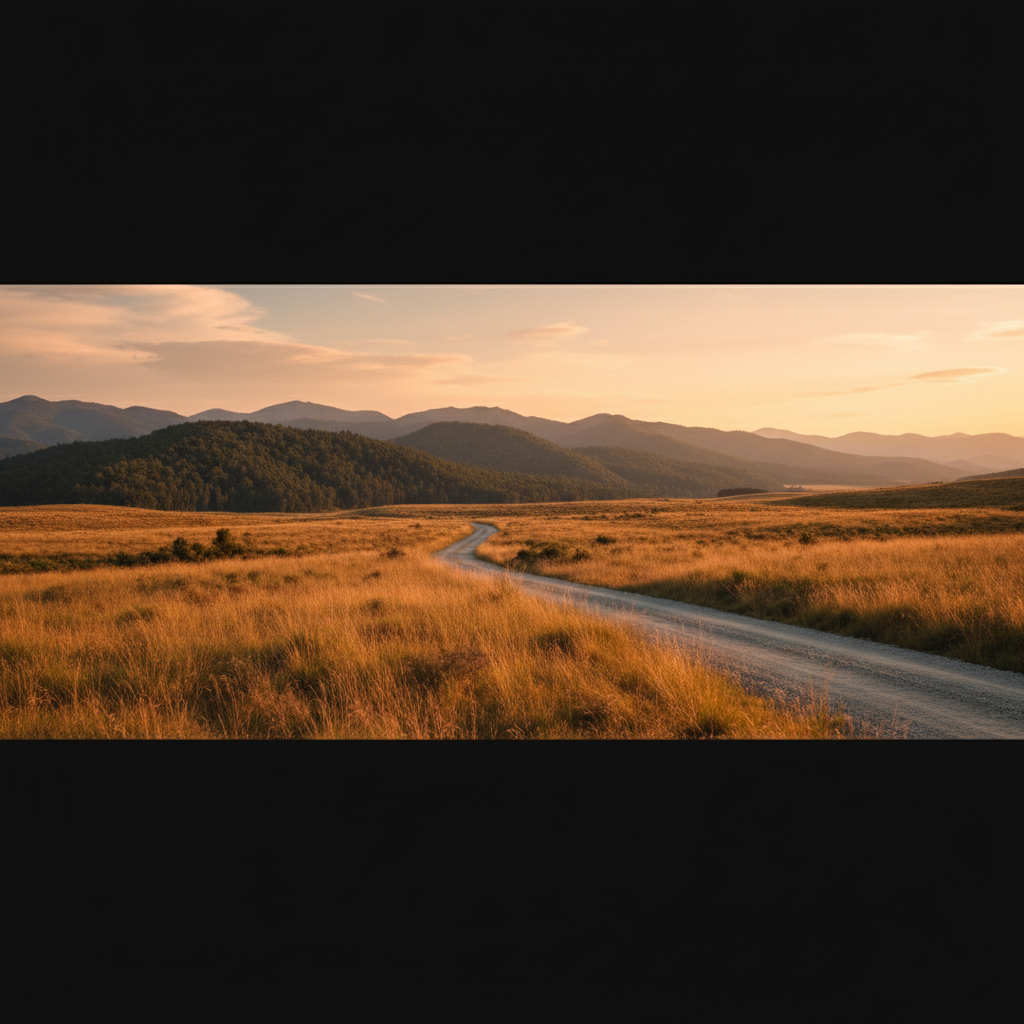
Most guests fly into Auckland or Rotorua, rent a 4WD, drive to Taupo, then navigate the final leg via Poronui Road. The gravel section begins near Taharua and continues for roughly 45 kilometres, climbing through plantation forestry before opening into high-country tussock.
The drive itself is straightforward in summer—rental 4WDs handle it comfortably, and the lodge provides detailed directions. But there are complications worth noting:
Rental insurance often excludes gravel roads beyond 20 kilometres. You're technically uncovered for most of the approach. If you slide into a bank or clip a fence post, you're paying retail for the damage.
In winter (June–August), ice forms on shaded corners above 800 metres. The road isn't gritted. If you're arriving after dark in July with no experience on frost, it's unpleasant.
The drive takes 90 minutes from Taupo in good conditions. Add weather, a missed turn at the Taharua junction, or a stock movement on the road, and it stretches past two hours. If you've just flown from Sydney into Auckland, connected through to Rotorua, picked up a rental, and driven two more hours, you're approaching five hours door-to-door. The lodge experience begins tired.
Why the Access Matters for a Fishing Trip
Poronui is not a hotel. It's a working high-country station with a lodge attached, and the fishing programme assumes you're there for three to five nights. The value proposition is guide-led access to private water, backcountry helicopter drops, and evening rises on spring creeks you can walk to from your room.
But if you've spent half a day navigating rental counters, gravel roads, and gate combinations, the first evening is lost. You arrive at 6 PM, miss the evening rise, eat dinner, sleep. The next morning you're fresh—but you've burned a day of your booking on logistics.
The return leg compounds this. Checkout is typically 10 AM. If you're flying out of Auckland that evening, you're driving back to Taupo, returning the rental, possibly overnighting in Taupo or Hamilton, then continuing north the next day. Or you're pushing a six-hour drive straight through, returning the car at Auckland Airport, and catching a late flight exhausted.
For a three-night fishing trip, you lose a full day to driving in each direction. The maths doesn't work if you're flying from Melbourne for four nights and spending two of them behind the wheel.
The Helicopter Alternative (And Why It's Not Always the Answer)
Poronui offers helicopter transfers from Taupo Airport—a 20-minute flight that lands on the lawn. It's spectacular, solves the gravel issue, and gets you into the lodge fast.
It's also $1,200–$1,800 each way depending on the aircraft, and it only works if you're flying into Taupo. If you're coming from Auckland, you're still dealing with the domestic connection, the wait at Taupo, and the coordination of luggage and rods.
Helicopters are weather-dependent. If the cloud's down on the Kaimanawas, you're waiting or reverting to the road. And if you're travelling as a couple or a group, the per-person cost adds up quickly—$3,000 for a return transfer for two people is more than some guests pay for the lodge itself per night.
It's a genuine solution for time-pressed guests connecting through Taupo, but it doesn't eliminate the access problem for most itineraries.
The Third Option: Private Transfer from Origin Point
The alternative—and the one most international guests don't consider—is a private driver from your origin point directly to the property. This is not a shuttle. It's a dedicated vehicle, professional driver who knows the back roads, and door-to-door service that treats the gravel as part of the route, not a problem to solve.
For Auckland Airport to Poronui, the drive is four and a half hours in a single vehicle. You're collected at arrivals, settle in, and arrive at the lodge mid-afternoon with the evening rise ahead of you. No rental paperwork, no navigation, no insurance voids on gravel. Your rods travel in the back. If you want to stop at Taupo for lunch or supplies, the driver knows where to go.
On departure, the same vehicle collects you at 10 AM and has you at Auckland Airport by 3 PM for an evening flight. You've maximised time on the water and minimised time on logistics. For a group of three or four splitting the cost, the per-person rate is often comparable to flying into Taupo and helicoptering in—but with more flexibility and less weather risk.
Auckland to Poronui private transfers run around $1,400–$1,600 return depending on timing, and similar pricing applies from Rotorua or Napier. The vehicle handles the gravel as standard, the driver has the gate codes, and you're treated as a guest from the moment you land, not a customer collecting keys at a counter.
What to Ask Before You Book
If you're planning a Poronui trip, the access question should be resolved at the same time you confirm the lodge. Ask yourself:
- How many nights am I staying, and how much of that time do I want to spend driving?
- Am I comfortable on 45 kilometres of gravel in a rental 4WD with limited insurance?
- What does my arrival day look like, and do I want to fish that evening?
- If I'm flying internationally, where does the rental car return fit into my departure timeline?
The lodge itself will coordinate helicopter transfers if you request them, but they assume you're handling ground transport unless you specify otherwise. If you're booking through a fishing agent or travel planner, make sure the transfer is part of the itinerary—not an afterthought you're sorting on arrival day.
Final Thought
Poronui delivers one of the best backcountry fishing experiences in New Zealand, but the access is part of the package. The remoteness is the reason the fishing is so good—and it requires intentional logistics.
If you're flying in from offshore, consider whether you want to spend your first and last days navigating rentals and gravel, or whether a direct private transfer makes better use of your time on the ground. The cost difference is smaller than most guests expect, and the value of arriving relaxed—rods rigged, evening rise ahead—is hard to put a number on. For route options and timing from your arrival point, visit our quote page or explore specific lodge transfer routes.
Sarah Tane – Based in Hamilton Sarah has spent fifteen years navigating North Island back-roads between city airports and remote lodges. She knows which routes require 4WD in winter and which rental companies void insurance past the tarmac.
About the Author

Sarah Tane
North Island Specialist & Lodge Liaison
Sarah has driven every major North Island corridor multiple times, usually with a lodge check-in time to meet. She writes about the routes most travellers navigate once—and the details that matter when you do.