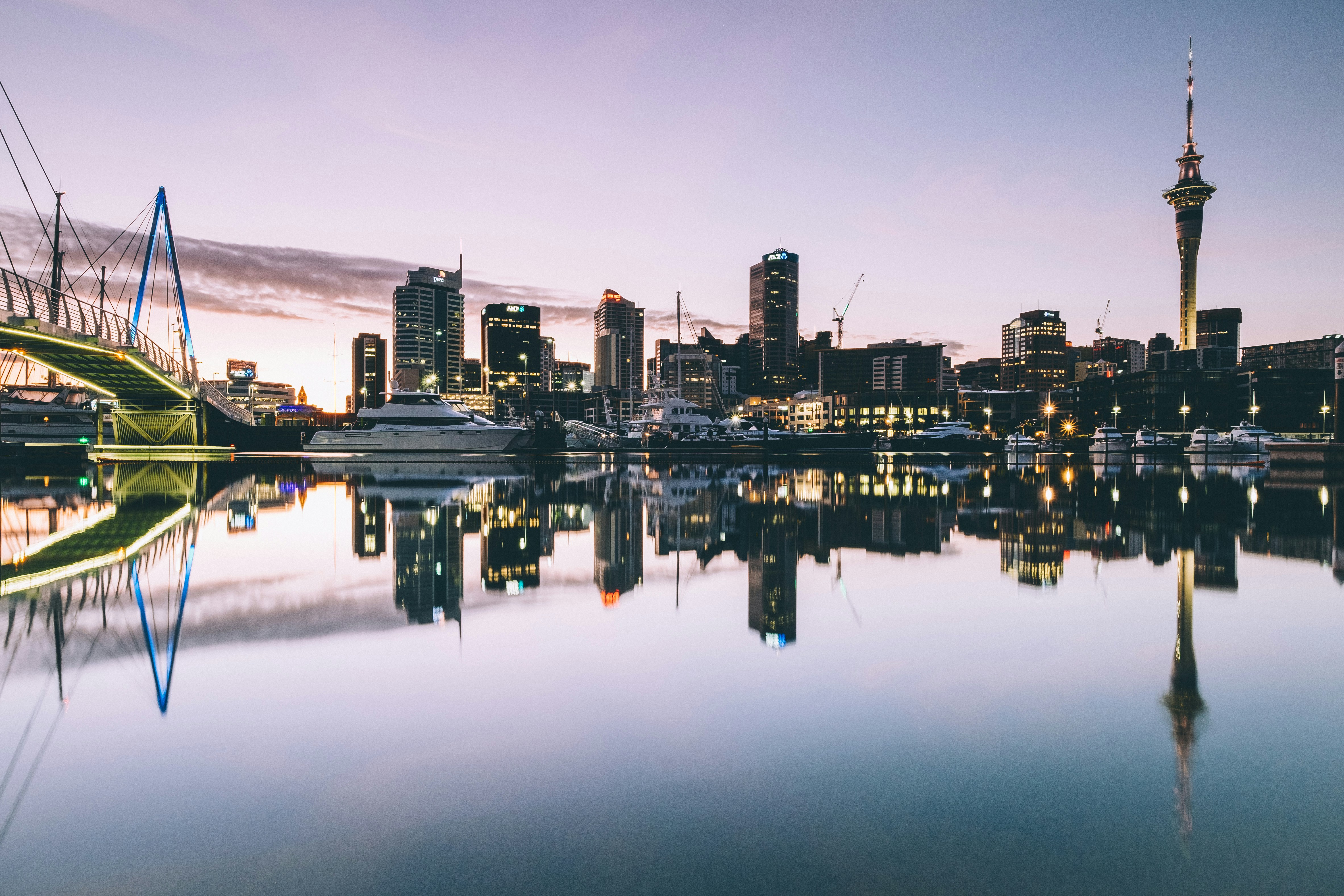
Iconic Places to Visit in New Zealand
These are the images that define New Zealand - the most photographed, most recognized, most iconic destinations that appear on postcards worldwide.
Iconic Places to Visit in New Zealand
Certain New Zealand locations transcend tourism to become global icons - instantly recognizable images appearing in films, photographs, and representing the country worldwide. These are the places that defined New Zealand's visual identity.
Milford Sound: The Defining Icon
Why globally iconic: Mitre Peak's perfect pyramid rising 1,692m from dark fjord waters creates one of Earth's most photographed natural scenes. Rudyard Kipling's "eighth wonder of the world" designation ensures Milford Sound headlines every New Zealand promotional material.
Visual elements:
- Mitre Peak's symmetrical pyramid
- Vertical cliff faces nearly 2km high
- Waterfalls cascading hundreds of meters
- Mirror reflections in still water (calm mornings)
- Moody weather with low clouds (7m annual rainfall)
Film appearances: Lord of the Rings (Fangorn Forest), The Lion, the Witch and the Wardrobe, X-Men Origins: Wolverine.
Visiting: 4h drive from Queenstown through spectacular route, or scenic flights. Boat cruises essential for proper perspective.
Mount Cook/Aoraki: Alpine Icon
Why iconic: New Zealand's highest peak (3,724m) represents the nation's alpine character. Maori name Aoraki ("cloud piercer") and association with Sir Edmund Hillary (trained here before Everest) cement legendary status.
Visual elements:
- Massive pyramid dominating skyline
- Permanent snow and glaciers
- Turquoise Lake Pukaki reflecting mountain
- Hooker Valley approach with suspension bridges
Photography: Lake Pukaki viewpoint on SH80 delivers postcard shots. Hooker Valley Track provides close-up glacier perspectives.
Sir Edmund Hillary connection: Trained extensively on Mount Cook before 1953 Everest first ascent. Alpine Centre museum tells story.
Hobbiton: Film Icon
Forty-four permanent hobbit holes across rolling green hills define Middle-earth:
Why iconic: Most intact major film set globally. Peter Jackson's Lord of the Rings and Hobbit trilogies grossed billions, making these landscapes instantly recognizable worldwide.
Visual elements:
- Round hobbit-hole doors in hillsides
- Green Dragon Inn
- Party Tree
- Impossibly green rolling landscapes
Scale: 12-acre set with 44 permanent hobbit holes built for Hobbit films (original LOTR set temporary).
Visiting: Near Matamata, 1h from Rotorua or 2h from Auckland. Guided tours only (2 hours).
Tongariro Alpine Crossing: Volcanic Icon
Why iconic: New Zealand's most famous day hike crosses volcanic landscapes featured as Mordor in Lord of the Rings.
Visual elements:
- Emerald Lakes (vivid green crater lakes)
- Red Crater (multicolored volcanic vent)
- Mount Ngauruhoe (perfect cone - Mount Doom)
- Blue Lake (clearest in NZ)
Film connection: Mount Ngauruhoe portrayed Mount Doom. Red Crater and surrounds were Mordor's volcanic landscapes.
Challenge: 19.4km, 7-8 hours, alpine conditions. Not easy walking but manageable for fit hikers.
Moeraki Boulders: Geological Icon
Spherical boulders up to 2m diameter scattered across Koekohe Beach:
Why iconic: Mysterious perfectly round boulders (formed over 4 million years from calcite crystallization) photograph surreally.
Photography: Best at low tide, sunrise/sunset for dramatic lighting.
Location: East coast South Island between Dunedin and Oamaru (2.5h from Queenstown).
Cathedral Cove: Coastal Icon
Massive natural rock arch framing white sand beach:
Why iconic: Narnia (Prince Caspian) filming location. The natural cathedral appearance with arch framing turquoise water creates striking compositions.
Practical: Walking track currently closed due to landslide risk (as of 2025). Kayak or boat access remains possible from Hahei.
Location: Coromandel Peninsula, 2.5h from Auckland.
Pancake Rocks, Punakaiki: Coastal Drama Icon
Layered limestone resembling stacked pancakes with blowholes:
Why iconic: Unique erosion pattern creates distinctive appearance. Blowholes erupt spectacularly during high tide + westerly swell.
Photography: Time visit with high tide and swell forecast for dramatic blowhole action.
Location: West Coast, 45min north of Greymouth, 3h from Franz Josef Glaciers.
Mount Taranaki: Volcanic Cone Icon
Perfect volcanic cone resembling Japan's Mount Fuji:
Why iconic: Isolated symmetrical peak (2,518m) rising from Taranaki Peninsula farmland creates dramatic composition. Substitute for Mount Fuji in Last Samurai film.
Film connection: The Last Samurai (2003) used Taranaki when Japanese locations didn't work.
Viewing: Egmont National Park. Summit climb possible (difficult, requires experience). Easy walks through surrounding forest.
Roy's Peak, Wanaka: Instagram Icon
Mountain summit with lake and alpine panorama:
Why iconic: Roy's Peak Track viewpoint became Instagram sensation - lone person on small summit with massive alpine panorama behind. One of world's most photographed viewpoints.
Challenge: 16km return, 6-7 hours, significant elevation gain (1,228m). Fitness required. Often closed December-February for lambing season.
Location: Wanaka, 90min from Queenstown.
That Wanaka Tree: Solitary Icon
Willow tree growing from Lake Wanaka:
Why iconic: Became Instagram phenomenon - lone tree in lake with mountains behind. New Zealand's most photographed tree.
Photography: Sunrise/sunset for best light. Requires wading into lake for classic angle.
Protection: Tree has suffered from over-tourism. Respect barriers, don't climb tree.
Nugget Point Lighthouse: Coastal Icon
Lighthouse on dramatic headland with offshore rock formations:
Why iconic: Lighthouse perched on cliffs with "nugget" rock formations scattered offshore, wildlife colonies below. Classic New Zealand coastal drama.
Wildlife: Fur seals, sea lions, yellow-eyed penguins, elephant seals visible from viewing platforms.
Location: Catlins Coast, 2.5h from Queenstown via scenic route.
Church of the Good Shepherd: Alpine Lake Icon
Stone church on Lake Tekapo shore with mountains behind:
Why iconic: Small stone church (1935) with window perfectly framing Mount Cook/Lake Tekapo. New Zealand's most photographed church.
Photography: Blue lupins bloom November-December adding foreground color. Stars/Milky Way at night (Dark Sky Reserve).
Location: Lake Tekapo, between Christchurch and Mount Cook.
Photographing Iconic Locations
Timing matters: Many icons photograph best specific times:
- Milford Sound: Early morning for mirror reflections before wind
- Roy's Peak: Sunrise for dramatic light
- Lake Tekapo church: Night for Milky Way, November for lupins
- Moeraki Boulders: Low tide essential
Weather: New Zealand's changeable weather means being flexible. Cloudy/moody conditions often enhance dramatic locations (Milford Sound).
Crowds: Popular icons (Hobbiton, Roy's Peak, That Wanaka Tree) experience heavy tourism. Weekday mornings have fewer crowds.
Accessing Iconic Locations
Icons spread across both islands:
North Island: Hobbiton (2h from Auckland), Tongariro (3h from Auckland), Cathedral Cove (2.5h from Auckland), Taranaki (4h from Auckland)
South Island: Milford Sound (4h from Queenstown), Mount Cook (5h from Queenstown), Roy's Peak/That Wanaka Tree (1.5h from Queenstown), Pancake Rocks (3h from glaciers)
Many icons require significant travel between them. Private transfers allow enjoying scenery en route rather than driving stress, with professional drivers knowing optimal photo stop locations and timing.
LandFlight operates transfers connecting all major iconic locations with flexible routing for photography-focused itineraries.
Book iconic location transfers: book@landflight.co.nz | +64 220 978 953
About the Author
LandFlight Driver Team
New Zealand Private Transfer Specialists
The LandFlight Driver Team is a collective of New Zealand's most experienced private transfer drivers. With combined experience of over 60 years on the country's alpine passes, coastal highways, and lodge routes, our team writes from direct, repeated experience of every road we cover. We've done these transfers in every season and every condition — our guides reflect that.